
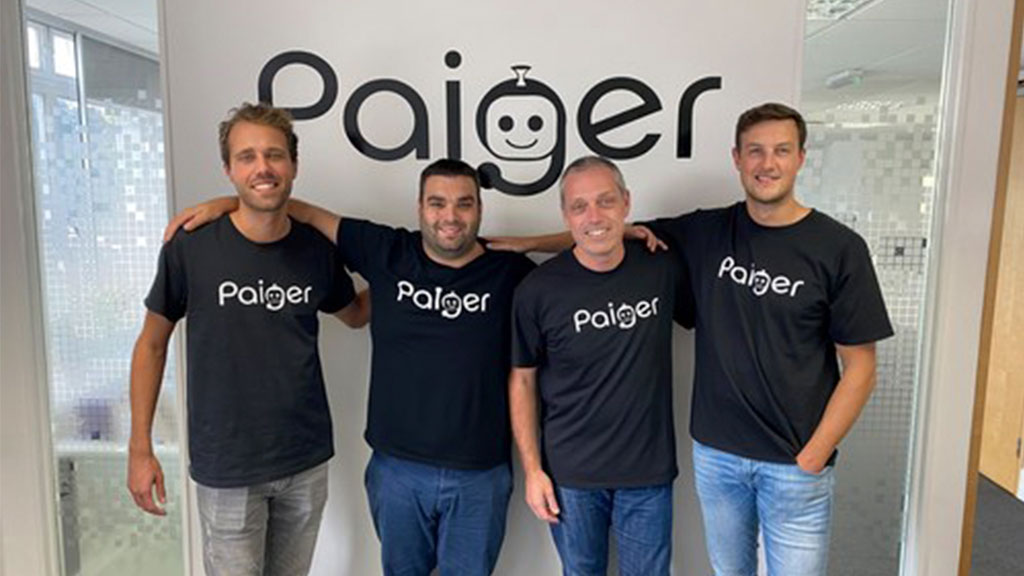
Paiger, a London-based recruitment marketing technology company, received a strategic investment led by Knight Capital in November 2022. The amount was not disclosed. Paiger is using the funds to accelerate growth in the recruitment sector, with a focus on sales, marketing and technology.
What Paiger does
Paiger is led by CEO Darren Westall. It provides an AI marketing assistant for recruiters. The platform helps recruitment agencies and their consultants create and publish content, market jobs, build their personal brands and win new business. Today the company describes itself as an AI revenue platform for recruitment agencies, covering business development, candidate presentation, personal brand and job marketing.
At the time of the investment, Paiger had 26 employees, more than 500 customers and more than 4,000 users. The company planned to launch new features and double the team over the following two years.
The Knight Capital investment
Knight Capital invests in European software companies. The deal was announced on PR Newswire as a strategic investment. For a company of Paiger’s size, a growth investor brings capital and experience in building sales and marketing functions.
Metrix Partners has a long relationship with Knight Capital. Metrix partner Jordi Pedrol contributed to the book Leaders of Growth, published by Knight Capital.
The recruitment technology market
Recruitment agencies compete on speed and on the reach of their consultants. Marketing used to be handled centrally by a small team. Tools like Paiger push content creation to each consultant, so that every recruiter can promote jobs and their own expertise on social media.
AI changes the economics further. Drafting posts, job adverts and candidate summaries takes minutes rather than hours. Agencies that adopt these tools can handle more roles per consultant, which is the core productivity measure in the sector.
Five lessons for investors in recruitment tech
- The market is cyclical. Agency revenue follows hiring demand. A slowdown in hiring can hit software budgets quickly, so churn should be tested across the cycle.
- Seats drive revenue. Pricing per user means revenue depends on agency headcount. Net revenue retention shows whether growth in usage offsets consultant turnover.
- Adoption must be measured. Recruiters are busy. Active users as a share of licensed users is the best early signal of renewal.
- Integrations protect the position. Links to applicant tracking systems and CRMs used by agencies make the product harder to replace.
- AI costs belong in gross margin. Content generation consumes model capacity. Cost per active user should be tracked as usage grows.
What recruitment tech founders should prepare
- ARR by customer segment, from single offices to large agency groups.
- Monthly active users against licensed seats, by customer.
- Cohort retention through at least one hiring downturn.
- Gross margin including AI and data costs.
- A hiring plan linked to sales capacity and pipeline.
Scaling sales and marketing after a growth round
Doubling a team in two years changes how a company runs. Founders who sold directly need sales managers, clear quotas and a pipeline process. Marketing moves from ad hoc campaigns to a measured funnel with cost per lead and conversion by channel.
Finance has to keep pace. Monthly reporting of customer acquisition cost, payback period and sales productivity tells the board whether new hires are paying off. Without it, a growth investment can turn into higher burn without higher revenue.
Metrix Partners in HR and recruitment technology
Metrix works with investors and companies in HR tech and future of work, including the Spotted Zebra Series A, the Shakers Series A due diligence and the Wegrow round. Paiger shows how AI tools are changing the economics of recruitment agencies.