Our client Onna announced a $27M Series B in June 2020, led by Atomico with participation from Glynn Capital. Existing investors Dawn Capital, Nauta Capital and the Slack Fund also invested. With this round, Onna had raised $43M since it was founded, including an $11M Series A in 2019.
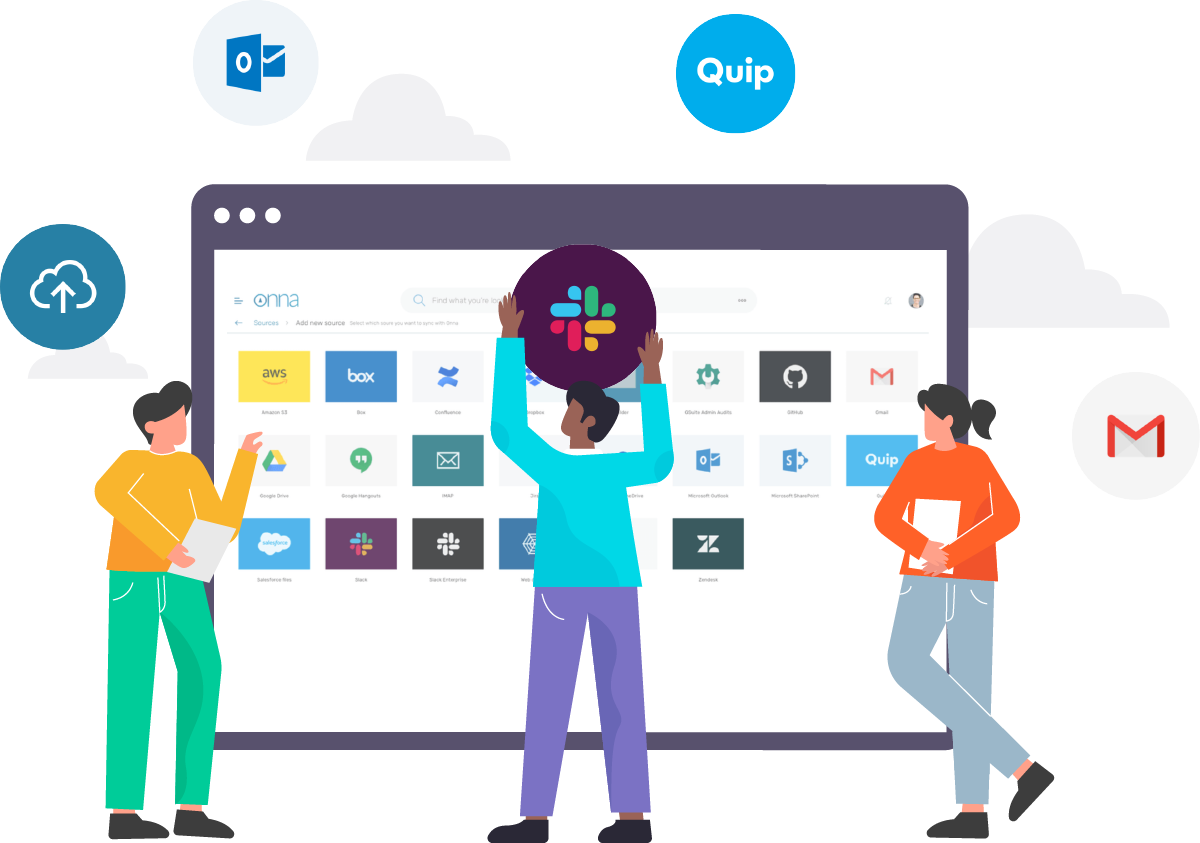
Onna at the time of the round
Onna was based in New York and Barcelona. It described itself as a knowledge integration platform that helps companies unify, search, protect, automate and build on top of their own knowledge, using machine learning and natural language processing. A detailed account of the round and the product is in our longer article on the Onna Series B, and the original coverage is in Tech.eu.
Why this round mattered for client Onna
A Series B led by Atomico, one of Europe’s best-known venture firms, put Onna among the most prominent Spanish-born software companies of its generation. For the team, it meant three changes:
- A board with a new lead investor, Atomico’s Ben Blume, and higher expectations on reporting.
- A larger organisation in engineering, product and partnerships.
- A push to turn the product into a platform others build on.
The transatlantic model
Onna combined engineering in Barcelona with commercial leadership in the US. The model gives access to strong engineering talent in Spain at a lower cost than in US tech hubs, while keeping the company close to large US customers. It is a common structure among Spanish software companies that sell to enterprises.
The structure needs careful finance. Two main entities have to be consolidated in two currencies. Intercompany services must be priced on an arm’s-length basis and documented for tax purposes. Payroll, equity incentives and tax rules differ between Spain and the US. Investors review all of this in due diligence.
Five lessons for Spanish-born SaaS companies scaling in the US
- Set up the structure early. Decide where the parent company sits before large rounds. Changing it later is costly.
- Document transfer pricing. Intercompany agreements and pricing studies prevent tax disputes.
- Align equity plans. Stock options work differently for Spanish and US employees. Plans need local versions.
- Report in one currency. Board reporting should consolidate both entities consistently, with exchange rate effects shown.
- Keep engineering culture strong. The Spanish team is the core asset. Retention and incentives matter as the company grows.
What founders should have in place before a Series B
- Consolidated monthly accounts reconciled to the statutory filings of each entity.
- An ARR bridge and cohort analysis.
- Intercompany agreements and transfer pricing documentation.
- Equity plan documentation for each country.
- A budget and hiring plan by entity.
What investors saw in client Onna
Atomico pointed to three features of client Onna: a cloud-native product, a focus on collaboration tools and an open API that lets others build on the platform. Strategic investors Dropbox and the Slack Fund signalled that the platforms Onna connects to valued its integrations. Repeat participation by Dawn Capital and Nauta Capital showed confidence from investors who had seen the company’s numbers over several years.
For client Onna, that mix of financial and strategic investors also shaped the board’s priorities: growth in enterprise accounts, depth of integrations and partnerships that would extend the platform’s reach.
From Series B to exit
The Series B funded Onna’s growth over the following years. In 2024, Onna Technologies was acquired by Reveal, the AI-powered eDiscovery platform. Metrix advised Onna on the sale. The path from a Barcelona founding team to a US strategic exit shows what Spanish software companies can achieve with strong product, investors and finance.
Metrix Partners and Onna
Metrix worked with client Onna across several stages, from the $11M Series A to the Series B and the sale. Other Spanish SaaS clients include Landbot and Holded.