
Zymvol, a Metrix Partners client, obtained a €700,000 participative loan from Avançsa in January 2024. Avançsa is the Generalitat de Catalunya’s vehicle for public-private investment in companies. The loan supports Zymvol’s plan to grow its team and develop its new laboratory.
About Zymvol
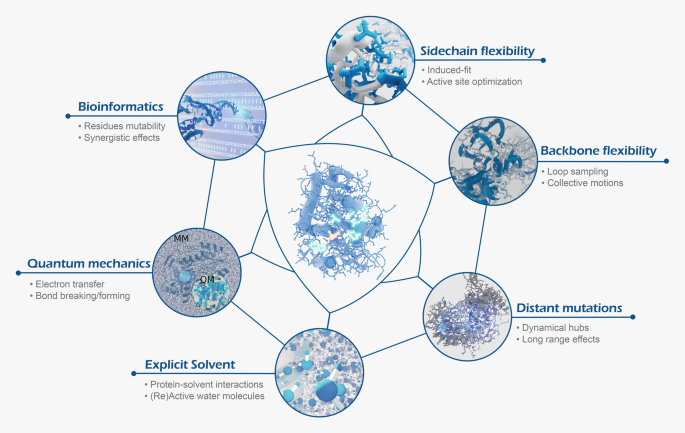
Zymvol is a Barcelona-based computational chemistry company backed by Elaia. It designs and optimises enzymes using cloud-based computer simulations. Enzymes are biological catalysts that can replace chemical processes which use more energy, more solvents and more waste. That makes them central to greener manufacturing in pharma and chemicals.
Zymvol started as a service provider, designing enzymes for clients. It is now moving to develop its own enzyme-based products, starting with biomelanin, while keeping the computational platform at the core.
What the Avançsa loan funds
According to Capital Riesgo, the loan will be used to:
- Increase the size of the team.
- Invest in the company’s recently opened laboratory.
- Scale up production.
- Validate the performance of its biomelanin.
How participative loans work
A participative loan (préstamo participativo) is a Spanish financing instrument between debt and equity. Interest usually has a fixed part and a variable part linked to the company’s results. For accounting and company law purposes it counts as equity when assessing whether a company is in a position of capital imbalance. It ranks behind ordinary creditors.
For a science-based startup, this structure has clear advantages. It brings cash without dilution, strengthens the balance sheet and is often available from public bodies on terms that private lenders would not offer at an early stage.
Five lessons on non-dilutive funding for deep tech
- Combine equity and public debt. Venture capital from investors such as Elaia can be extended with public loans that do not dilute founders.
- Match funding to milestones. Laboratory scale-up and product validation are concrete milestones that public lenders can assess.
- Read the covenants. Participative loans can include conditions on reporting, use of funds and changes of control. These affect future rounds.
- Plan repayment. Grace periods end. The financial model should show repayments alongside the expected revenue ramp.
- Use funding as validation. Approval by a public investor after technical review signals credibility to customers and later investors.
What deep tech founders should prepare for public funding
- A technical plan with milestones, budget and timeline.
- Audited or reviewed accounts reconciled to the statutory filings.
- A cap table and summary of all existing financing instruments.
- A cash forecast including repayment of public loans.
- Evidence of market interest, such as letters from potential customers.
Moving from services to products
Many deep tech companies start by selling services built on their technology. Services bring early revenue and customer insight, but they scale with headcount. Products scale with production capacity and can carry higher margins. The transition needs investment in facilities and regulatory work before revenue arrives, which is where non-dilutive funding helps most.
The finance function has to track both models during the transition: service margins and utilisation on one side, product development costs and capitalisation rules on the other.
Metrix Partners and Zymvol
Metrix advised Elaia Partners on its €1.3M seed investment in Zymvol and Zymvol joined the Metrix client list in 2023. Metrix supports life sciences and deep tech companies with finance, fundraising and non-dilutive funding, as described in our practice in deep tech.